What Is Your Child’s Behavior Trying to Tell You?
Have you ever looked at your dysregulated child during a massive meltdown and thought, “Why are they doing this on purpose?” Or maybe you’ve felt your own chest tighten, heart race, and temperature rise the second your child starts screaming.
As a pediatric occupational therapist specializing in sensory integration and polyvagal theory, I hear this from parents every day: “Is my child being defiant or bad?”
The short answer? Behavior is communication.
Children rarely act out simply to defy authority or be mean. When kids feel overwhelmed, they jump to their biggest behaviors first because it’s the fastest way to communicate an unmet need and get immediate relief.
Behavior is Communication, Not Choice
When evaluating childhood behaviors, we have to look deeper than "good" vs. "bad." As humans, we are wired to do well, be accepted, and seek connection.
When children exhibit challenging behaviors, they are telling us that they lack the skill, sensory processing capacity, or nervous system regulation to handle the current situation.
"All feelings are welcome, all behaviors are not."
— Dr. Aliza Pressman
Why Do Behaviors Happen?
Behavioral consultant Jenna Mazillo highlights a fundamental principle: all human behavior serves a function. Typically, a child is trying to:
Get something (e.g., attention, a toy, sensory input, extra time)
Get away from something (e.g., an overwhelming room, a difficult task, a loud noise)
When a child hits, throws, or screams, it indicates a skill deficit. If they don't know how to express frustration appropriately, they default to what works fastest.
To create lasting change:
Teach Replacement Skills: Teach your child functional strategies—like saying "No" or asking for "More time"—that produce the same result as the big behavior without the disruption.
Teach Outside the Storm: Never try to teach a new skill during a meltdown. Teach and practice replacement behaviors when your child is calm, regulated, and engaged.
The Autonomic Nervous System & Why Skills Go "Offline"
To understand why traditional discipline fails during a sensory meltdown, we have to look at the Autonomic Nervous System (ANS).
Think of your child’s ANS as a see-saw:
Sympathetic Branch: The "gas pedal" (Fight, Flight, or Freeze)
Parasympathetic Branch: The "brake" (Rest, Digest, Connect, Feel Safe)
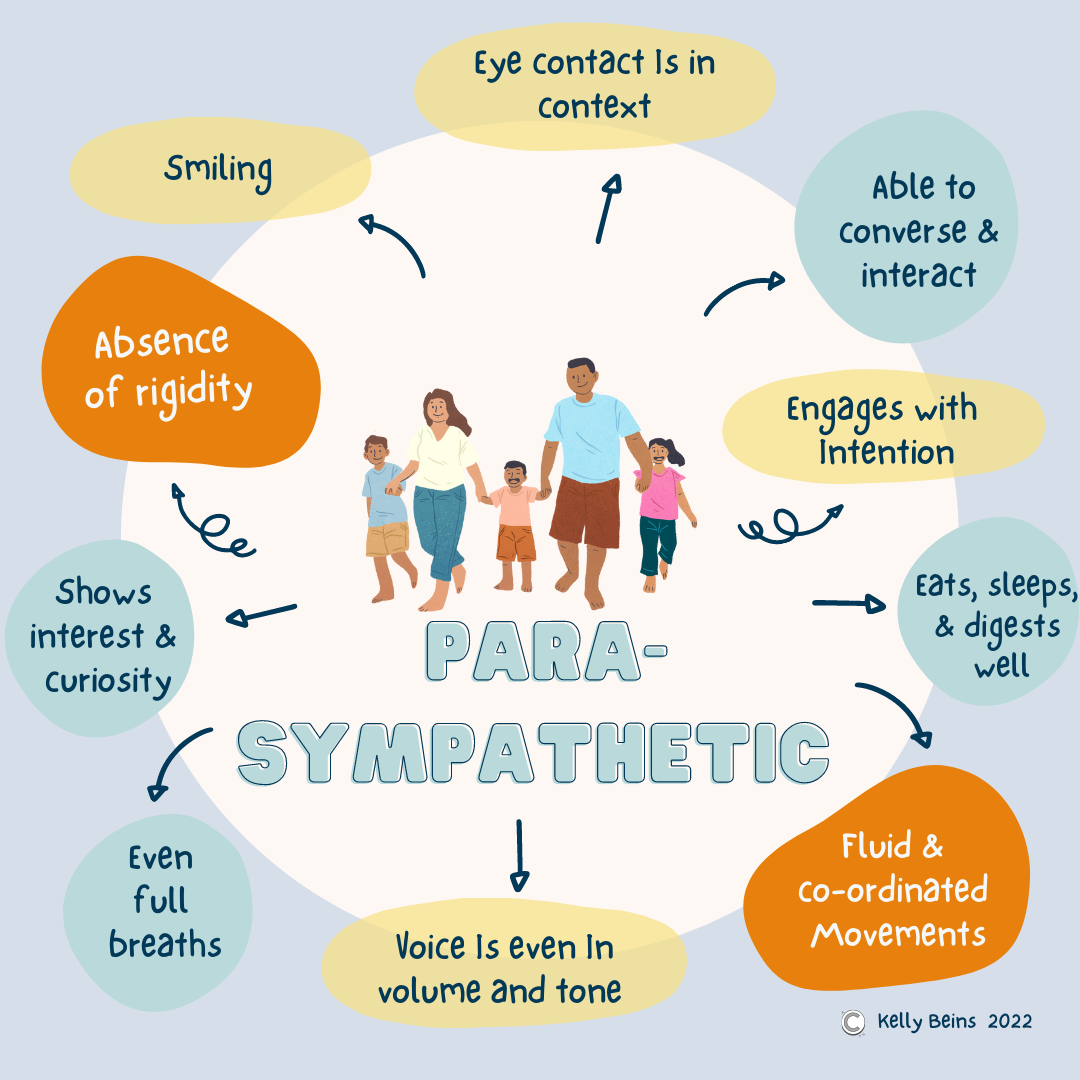
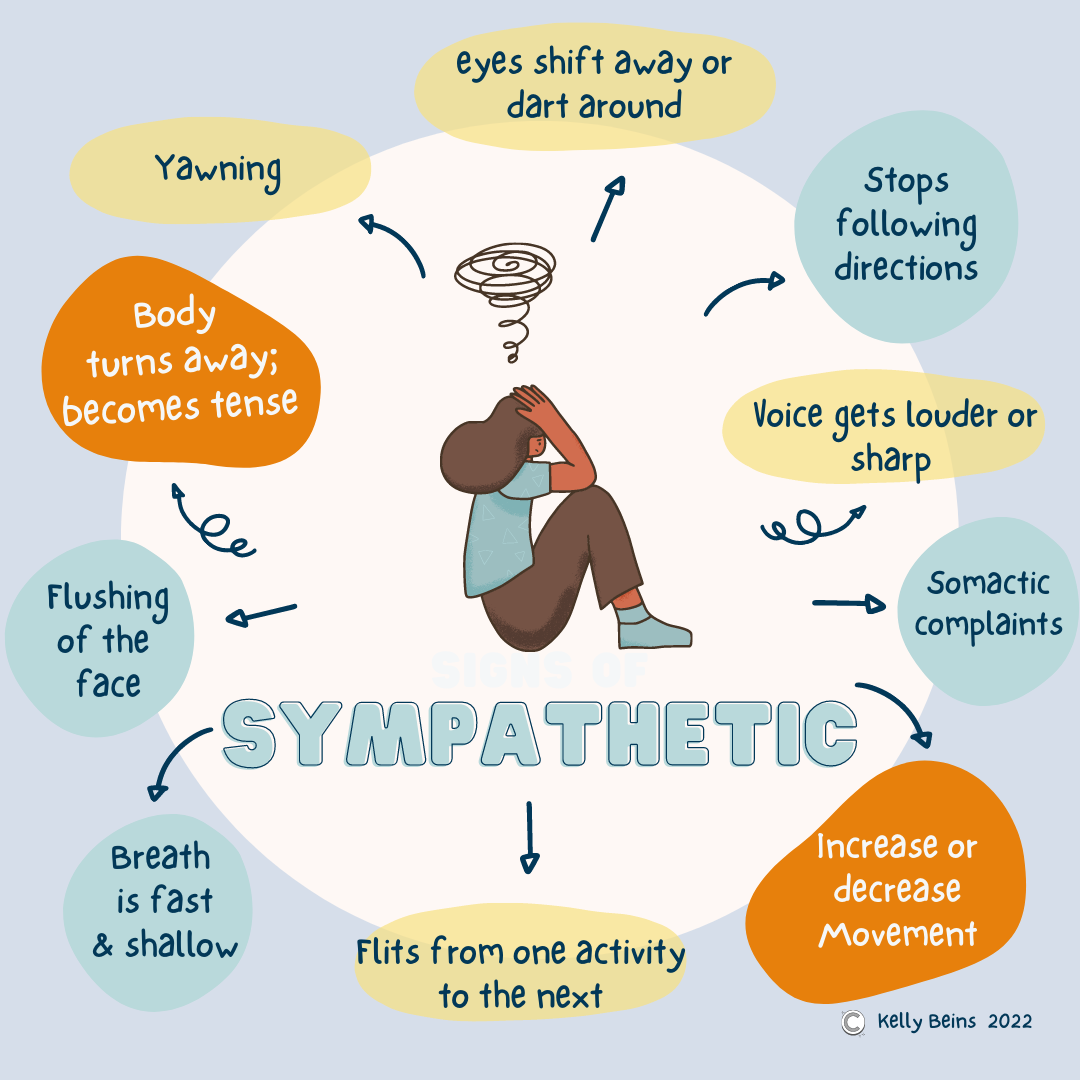
In a well-regulated nervous system, this see-saw moves fluidly as stress comes and goes. Keep reading here.